
BLOG
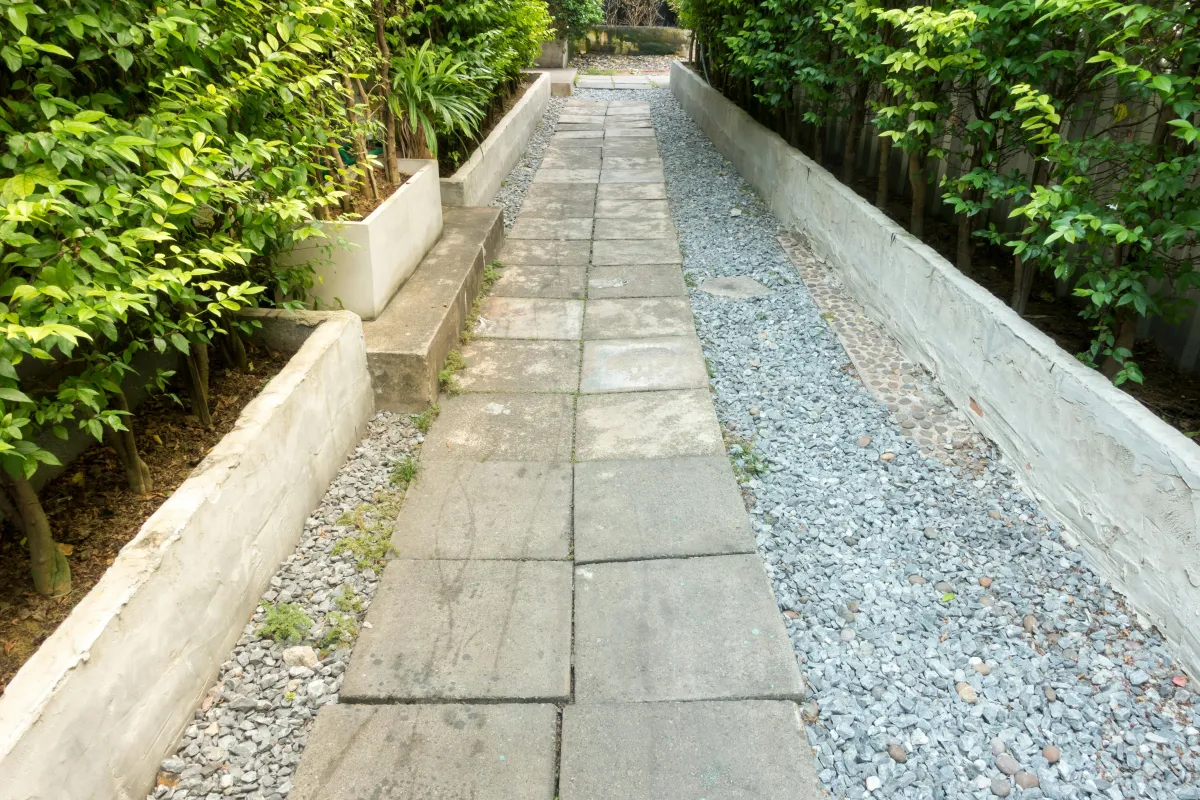
Key Advantages of Professional Commercial Landscape Design
Table Of Contents:
What Are the Benefits of Professional Commercial Landscape Design?
How Does Professional Commercial Landscape Design Enhance Property Value?
What Sustainable Practices Are Used in Professional Commercial Landscape Design?
Why Is Customization Important in Commercial Landscape Design?
What Are the Key Components of Professional Commercial Landscape Design Services?
How Does Professional Commercial Landscape Design Improve Functionality and Aesthetics?
What Are the Financial Benefits of Investing in Professional Commercial Landscape Design?
How Do Certified Landscape Architects Ensure Quality in Commercial Landscape Design?
How Does Professional Commercial Landscape Design Improve Functionality and Aesthetics?
How Do Certified Landscape Architects Ensure Quality in Commercial Landscape Design?
Table: Comparison of Key Elements in Commercial Landscape Design
How Does Professional Commercial Landscape Design Improve Functionality and Aesthetics?
How Do Certified Landscape Architects Ensure Quality in Commercial Landscape Design?
What Are the Benefits of Professional Commercial Landscape Design?
In the competitive commercial real estate market, first impressions and functional outdoor spaces are key to attracting tenants, customers, and investors. Professional commercial landscape design transforms exterior areas into inviting, efficient, and sustainable environments that boost curb appeal, property value, and employee productivity. A well-designed landscape creates a unique property identity, communicates corporate values, and supports environmental sustainability. This article explores the benefits of professional commercial landscape design by examining design elements that enhance property worth, sustainable practices that cut costs, and customized solutions for different commercial sectors. We also address how landscape design improves functionality, safety, and productivity, while emphasizing the role of certified landscape architects in achieving these outcomes.
Transitioning into the main content, we examine how commercial landscape design enhances property value, sustainable practices, custom design principles, service components, and both functional and financial benefits. Finally, we discuss the role of certified landscape architects in ensuring high-quality outcomes.
How Does Professional Commercial Landscape Design Enhance Property Value?
Professional landscape design immediately boosts property value by creating visually appealing, functional, and eco-friendly outdoor spaces. Curated plantings, inviting hardscaping, and well-planned irrigation systems improve aesthetics and signal high-quality maintenance. These enhancements increase a property’s market desirability and perceived value, supporting premium lease rates and better resale outcomes.
What Design Elements Increase Commercial Property Worth?
Key design elements include the strategic use of native plants, attractive hardscaping features (such as patios, walkways, and seating areas), and sustainable water features. Native species, chosen for their local adaptability, lower maintenance costs and water usage while enhancing seasonal beauty. Custom patios and efficient drainage systems make outdoor spaces both attractive and practical, while focal points like signature water features create memorable visual cues that boost rental incomes and sale prices.
How Does Landscape Design Attract More Customers and Tenants?
Expertly designed landscapes enhance a property’s public image by offering lush lawns, well-maintained gardens, and thoughtful lighting. These elements provide a welcoming atmosphere and aid security and navigation. A striking exterior encourages longer stays and repeat visits. Enhanced signage, custom design features, and attractive seating areas further drive foot traffic and create a community feel that attracts tenants and customers alike.
Can Landscape Design Improve Employee Productivity and Well-Being?
Landscaped outdoor spaces have been linked to higher job satisfaction, reduced stress, and increased productivity. Design elements like comfortable break areas with ambient lighting and greenery offer employees a place to relax and rejuvenate. Features such as rain gardens and sustainable drainage systems add a calming visual element and support environmental conservation, promoting both physical and mental well-being.
What Sustainable Practices Are Used in Professional Commercial Landscape Design?
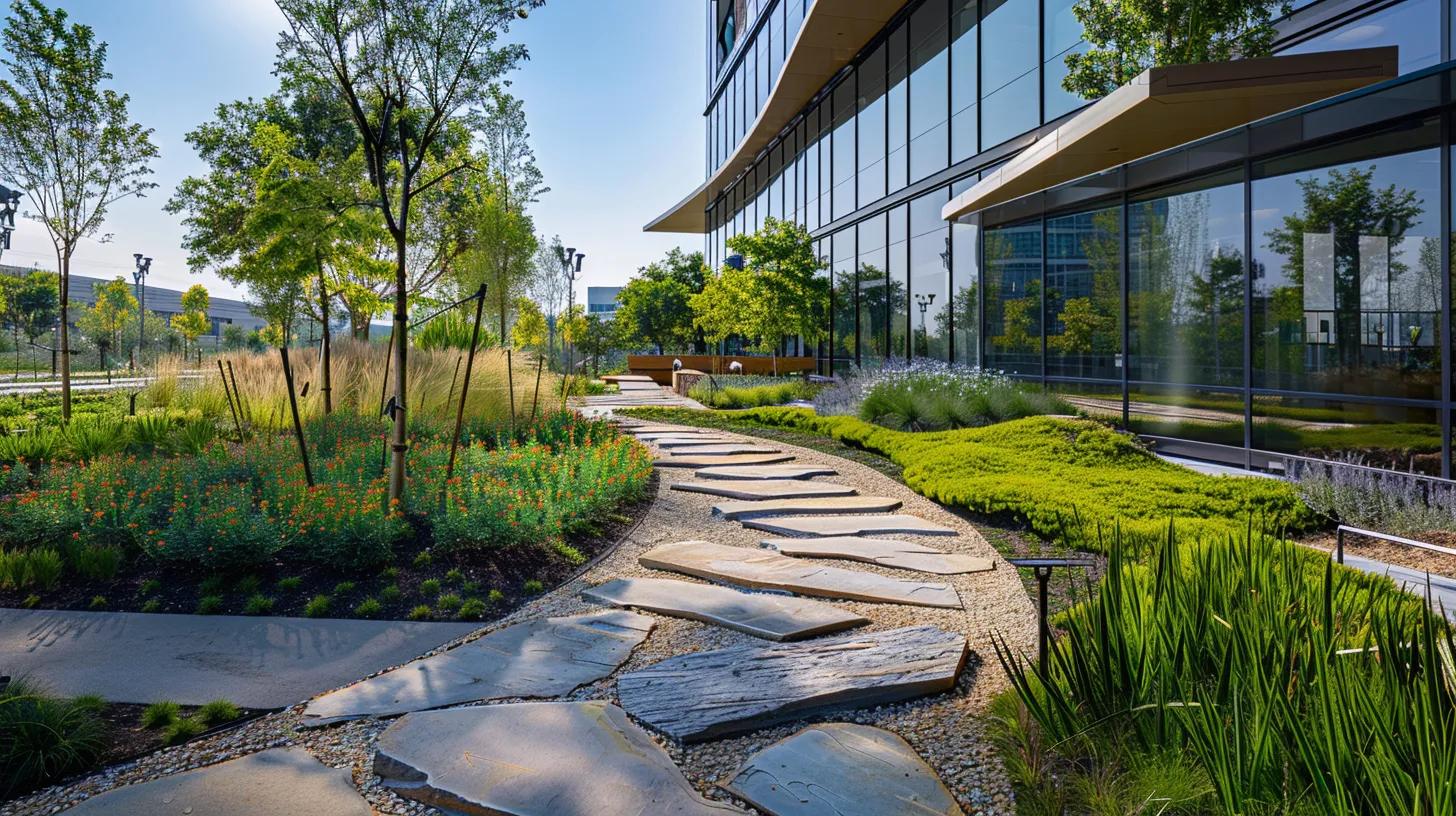
Sustainability is central to modern landscape design. Commercial landscape architects use eco-friendly practices—water-efficient irrigation, native plant selection, and sustainable materials—to reduce environmental impact and lower long-term costs. These practices not only enhance the beauty of outdoor spaces but also reflect global trends in corporate responsibility and help secure green certifications.
How Do Native Plants and Eco-Friendly Materials Benefit Commercial Spaces?
Utilizing native plants ensures lower water consumption and less need for chemical fertilizers, while also supporting local wildlife habitats. Eco-friendly materials like reclaimed wood, recycled concrete, and permeable pavements reduce the carbon footprint and maintenance expenses, while maintaining durability and aesthetic appeal, reinforcing a property’s sustainable credentials.
What Role Do Water-Efficient Irrigation Systems Play in Sustainability?
Water-efficient irrigation systems, such as drip irrigation, smart controllers, and rainwater harvesting, ensure minimal water waste by directing water precisely where it is needed and adjusting to current weather conditions. These systems reduce water use significantly and are especially vital in regions facing water conservation challenges.
How Does Sustainability Impact Long-Term Maintenance Costs?
By employing native species, eco-friendly materials, and efficient irrigation, sustainable design lowers long-term maintenance costs. Fewer chemical treatments and lower water inputs result in reduced labor and material expenses, extending the lifespan of landscape features and ensuring overall cost savings over time.
Why Is Customization Important in Commercial Landscape Design?
Customization is crucial because each commercial property has unique requirements. Custom landscape design considers a property’s location, use, brand identity, and customer demographics to create spaces that are both functional and an authentic reflection of the brand. This tailored approach enhances tenant satisfaction and improves market positioning.
How Are Designs Tailored to Different Commercial Sectors?
Design solutions vary by sector. Retail complexes benefit from dynamic, eye-catching designs with interactive elements and seasonal decorations, while office campuses require serene, low-maintenance spaces that promote productivity. Hospitality venues often incorporate lush gardens and inviting seating to enhance guest comfort. Each design is carefully aligned with the property’s architectural style and operational goals.
What Factors Influence Plant and Material Selection?
Factors influencing plant and material selection include climate, soil type, water availability, and sustainability goals. Native species are often preferred due to their low maintenance requirements, while hardscape materials are chosen for durability and compatibility with the property’s overall aesthetic. These choices ensure lasting beauty and performance under varying conditions.
How Does Custom Design Reflect Brand Identity?
Every element, from plant choice to hardscape style, can reinforce brand identity. For instance, a corporate headquarters might adopt a sleek, modern design with minimalist plantings and high-tech irrigation, while a hotel might favor an organic, welcoming look. Branded features such as custom paver logos or color schemes that mirror company branding help embed the company’s story into the landscape design.
What Are the Key Components of Professional Commercial Landscape Design Services?
Professional landscape design services encompass detailed site analysis, conceptual design, project implementation, and ongoing maintenance. Each component aims to fulfill both aesthetic and functional requirements, ensuring a resilient and sustainable landscape that meets the client’s vision and contributes to overall property performance.
What Is Included in Site Analysis and Design Conceptualization?
During site analysis, designers assess topography, soil quality, existing vegetation, drainage, and sun exposure. This information guides the conceptual design phase, where sketches, mood boards, and preliminary plans are developed. These plans outline key features, spatial organization, and plant selections while considering feasibility factors such as water conservation and drainage efficiency.
How Is Project Implementation Managed by Landscape Architects?
Project implementation is tightly managed by landscape architects who coordinate permits, contractor work, and construction processes. Regular inspections and progress reports ensure that every element—from grading and drainage to planting and hardscaping—is executed according to design specifications while staying on schedule and within budget.
What Ongoing Maintenance Services Ensure Landscape Longevity?
Ongoing maintenance, including mowing, pruning, fertilization, pest control, and irrigation monitoring, is critical for sustaining landscape quality. Tailored maintenance programs that consider seasonal changes and local weather help prevent issues like plant disease and inefficient water use, ensuring the landscape remains an asset to the property.
How Does Professional Commercial Landscape Design Improve Functionality and Aesthetics?
Professional landscape design balances aesthetics with functionality. By integrating strategic seating, clear circulation paths, and versatile outdoor zones, these landscapes not only create a visually appealing environment but also enhance operational efficiency and safety. The result is a space that supports both the user experience and the property’s functional demands.
What Design Strategies Enhance Outdoor Usability for Commercial Properties?
Design strategies to improve usability include creating defined pedestrian paths with durable, non-slip surfaces, flexible seating arrangements, and clearly zoned areas for different activities. Integrated lighting and shading elements ensure usability in various conditions, while thoughtful planning guarantees safety and accessibility for all visitors.
How Do Landscape Features Create Inviting and Productive Environments?
Features like green walls, water elements, and art installations add to the visual appeal and create calming microclimates. These elements help reduce stress, enhance focus, and stimulate creativity—benefiting both employees and visitors. Such features also serve as informal meeting areas that encourage social interaction and collaboration.
Can Landscape Design Support Safety and Accessibility?
Yes. By incorporating universal design principles, including ramped entries, non-slip surfaces, and clear signage, landscape design ensures outdoor spaces are safe and accessible to everyone. Proper lighting and unobstructed pathways further enhance safety, reducing accident risks and liability issues.
What Are the Financial Benefits of Investing in Professional Commercial Landscape Design?
Investing in professional landscape design offers significant financial returns. A well-designed landscape enhances property value and curb appeal, reduces maintenance and operating costs, and increases tenant retention. These improvements can lead to higher rental income, better resale value, and overall improved cash flow for property owners.
How Does Landscape Design Increase Property Marketability?
An attractive landscape immediately boosts marketability by creating a strong first impression. Properties with well-maintained exteriors, efficient irrigation, and appealing natural elements draw in tenants and customers, resulting in higher occupancy rates and rental yields. Green certifications achieved through sustainable design further enhance marketability, especially among eco-conscious buyers.
What Cost Savings Result From Sustainable and Efficient Design?
Sustainable design practices lower utility expenses through water-efficient irrigation and energy-saving lighting. Durable materials and advanced stormwater management reduce repair and replacement costs, while lower use of chemicals cuts ongoing maintenance expenses. Over time, these savings contribute to a significantly lower total cost of ownership.
How Do Well-Designed Landscapes Reduce Liability and Insurance Costs?
Landscapes designed with safety in mind—featuring non-slip surfaces, proper drainage, and clear signage—minimize the risk of accidents. This reduction in liability can lead to lower insurance premiums and fewer related claims. By addressing potential hazards proactively, property owners protect their investment and benefit from additional financial incentives.
How Do Certified Landscape Architects Ensure Quality in Commercial Landscape Design?
Certified landscape architects bring expertise, rigorous training, and professional credentials to every project, ensuring top-quality design and execution. Their use of advanced design software, adherence to industry standards, and focus on sustainability result in projects that meet and exceed client expectations. Their ongoing involvement from planning to maintenance minimizes risks and guarantees long-term landscape performance.
What Qualifications and Experience Do Professional Designers Bring?
These professionals hold advanced degrees in landscape architecture and are licensed by recognized professional bodies. Their hands-on experience with large-scale projects, combined with specialized training in environmental conservation, urban planning, and horticulture, ensures their designs are both innovative and practical.
How Does Professional Oversight Improve Project Outcomes?
Ongoing oversight by certified architects ensures every project phase meets high standards. Regular inspections, progress reviews, and proactive adjustments help prevent errors and delays, culminating in a finished product that is visually appealing, structurally sound, and sustainable.
Why Is Collaboration Important Between Designers and Commercial Clients?
Close collaboration with clients allows designers to fully understand operational needs, brand identity, and financial goals. This partnership leads to bespoke design solutions that align with the client’s vision and promotes transparency, faster decision-making, and higher satisfaction with the final outcome.
How Does Professional Commercial Landscape Design Improve Functionality and Aesthetics?
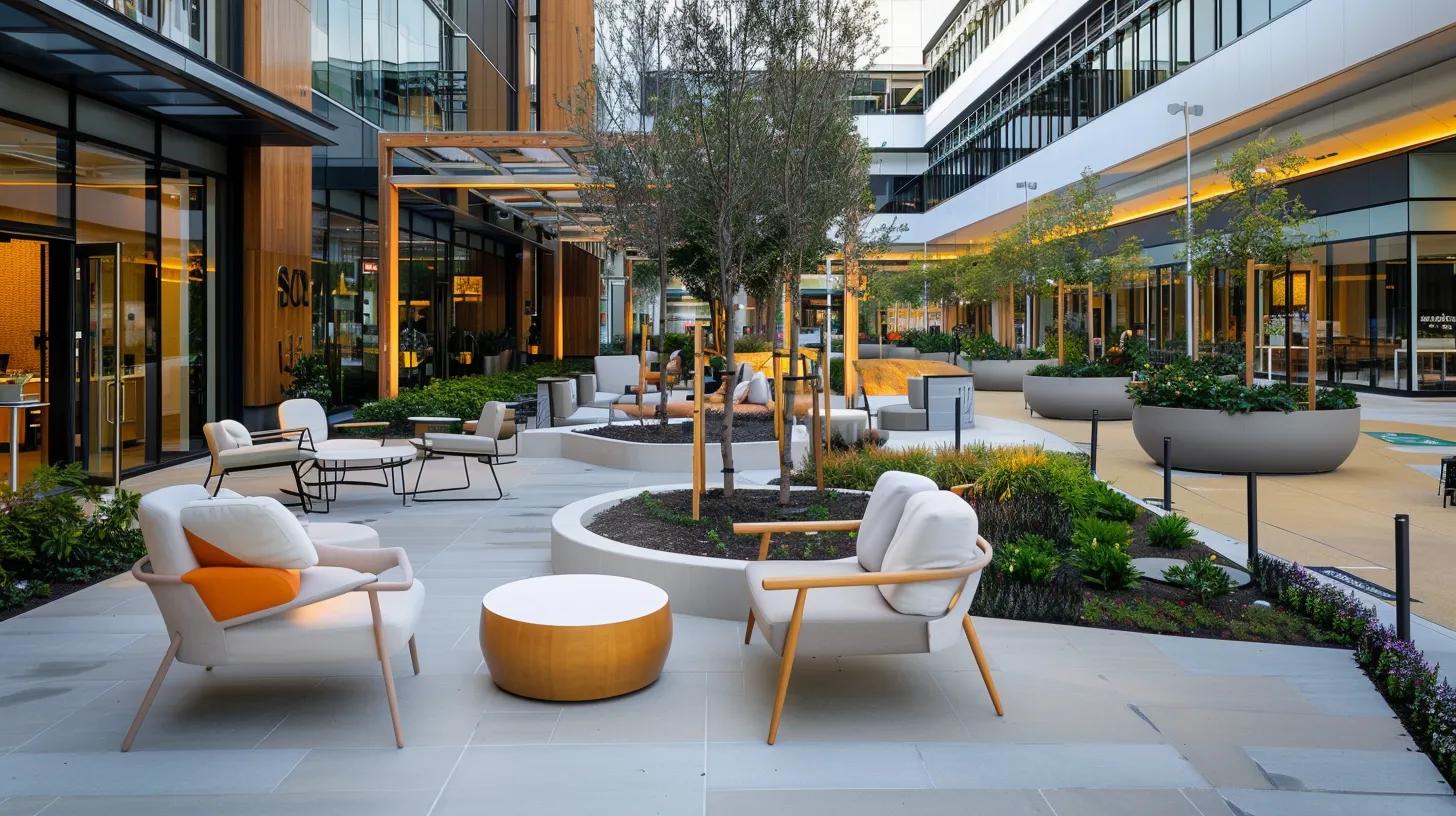
Investing in professional landscape design yields immediate improvements in both functionality and aesthetics. Thoughtfully planned seating, clear pathways, and versatile outdoor zones make spaces more inviting and practical, enhancing overall property performance and tenant satisfaction.
What Design Strategies Enhance Outdoor Usability for Commercial Properties?
Effective strategies include creating distinct zones—such as reception areas, gathering spaces, and quiet zones—using durable, non-slip paths, and incorporating adjustable seating and lighting. These elements ensure ease of movement, safety, and flexibility for various business needs.
How Do Landscape Features Create Inviting and Productive Environments?
Well-chosen features like water elements and vibrant plantings foster a tranquil yet vibrant atmosphere, reducing stress and boosting creativity. These features provide natural break areas that support social interaction and informal meetings, ultimately enhancing both productivity and customer satisfaction.
Can Landscape Design Support Safety and Accessibility?
By integrating ramps, non-slip surfaces, clear signage, and well-lit pathways, landscape design ensures that outdoor areas are safe and accessible to everyone. Such thoughtful planning minimizes hazards and creates a welcoming environment for all users.
How Do Certified Landscape Architects Ensure Quality in Commercial Landscape Design?
Certified architects apply their extensive training and credentials to deliver superior landscape designs. Their disciplined approach and continuous oversight ensure that every element from concept to maintenance meets rigorous quality standards.
What Qualifications and Experience Do Professional Designers Bring?
With advanced degrees and professional licenses, these designers combine formal education with practical experience. Their expertise in sustainable design, horticulture, and urban planning enables them to create resilient and innovative landscape solutions.
How Does Professional Oversight Improve Project Outcomes?
Through meticulous project management—including regular inspections and progress evaluations—certified architects ensure that designs are executed perfectly, minimizing errors and cost overruns while ensuring lasting quality.
Why Is Collaboration Important Between Designers and Commercial Clients?
Active collaboration throughout the design process ensures that the final landscape accurately reflects the client’s operational needs and brand identity. This teamwork fosters trust, encourages innovation, and leads to practical and visually striking outdoor environments.
How Do Well-Designed Landscapes Reduce Overall Operating Costs?
Investments in efficient irrigation, durable materials, and native vegetation reduce maintenance costs and energy use. Smart sensors, proper drainage, and sustainable practices collectively lower resource expenses and repair needs, leading to significant operating cost reductions over time.
How Does a Full-Service Landscape Design and Maintenance Package Provide Value?
A full-service package integrates design and ongoing maintenance to ensure a consistently high-performing landscape. Regular upkeep, seasonal care, and system updates prevent common issues and sustain curb appeal, ultimately enhancing property value and ensuring financial returns.
How Does Professional Commercial Landscape Design Improve Functionality and Aesthetics?
A well-executed landscape elevates both the functional and aesthetic qualities of a property. It creates inviting spaces that not only boost marketability but also support productivity and efficient operations, making outdoor areas a vital asset.
What Design Strategies Enhance Outdoor Usability for Commercial Properties?
Strategies include creating defined zones with clear pedestrian paths, flexible seating, and integrated lighting. These measures ensure safety, ease of movement, and multi-purpose functionality, which together improve overall space usability.
How Do Landscape Features Create Inviting and Productive Environments?
Incorporating elements like water features and vibrant plantings reduces stress and stimulates creativity. These features create natural break areas that support social interaction and informal meetings, enhancing both productivity and visitor satisfaction.
Can Landscape Design Support Safety and Accessibility?
Yes, by employing universal design principles and safety features such as ramps, non-slip surfaces, and clear signage, commercial landscapes become secure and accessible for all users.
How Do Certified Landscape Architects Ensure Quality in Commercial Landscape Design?

Certified landscape architects use their expertise and strict adherence to industry standards to ensure every project meets high-quality benchmarks from concept to completion.
What Qualifications and Experience Do Professional Designers Bring?
These professionals are highly educated, licensed, and experienced in managing large-scale projects. Their background in sustainable design, horticulture, and urban planning equips them with the skills to create durable, efficient, and innovative landscapes.
How Does Professional Oversight Improve Project Outcomes?
Ongoing oversight, involving regular inspections and proactive management, minimizes errors and delays, ensuring that the final landscape is both aesthetically pleasing and functionally sustainable.
Why Is Collaboration Important Between Designers and Commercial Clients?
Collaboration ensures that the design aligns with the client’s needs, brand identity, and operational goals. This partnership leads to bespoke solutions that are practical, efficient, and visually striking.
Frequently Asked Questions
Q: What are the primary benefits of hiring a professional commercial landscape design service? A: Professional design services enhance property value, marketability, and operational efficiency while reducing costs and ensuring safe, accessible environments through sustainable practices and custom branding.
Q: How does sustainable landscape design reduce long-term maintenance expenses? A: By using native plant selections, water-efficient irrigation, and eco-friendly materials, sustainable design cuts water, energy, and upkeep costs while maintaining visual appeal with minimal intervention.
Q: Why is customization critical in commercial landscape design? A: Custom designs address the unique needs of each property, from functionality to brand identity, ensuring cohesive and attractive outdoor spaces that differentiate properties in the market.
Q: How do certified landscape architects guarantee a high-quality outcome? A: Their rigorous training, professional credentials, and hands-on experience ensure that every aspect of the design—from conceptualization to maintenance—is executed to the highest standards.
Q: Can professional landscape designs enhance employee productivity and tenant satisfaction? A: Yes, comfortable outdoor spaces with thoughtful design elements reduce stress and foster interaction, thereby improving overall productivity and tenant satisfaction.
Q: What financial benefits can property owners expect from investing in professional commercial landscape design? A: Benefits include increased property value, higher rental income, reduced operating costs, and lower liability and insurance expenses, leading to a strong return on investment.
Q: How does professional landscape design support sustainability initiatives? A: It integrates practices like native species selection, water-efficient systems, and eco-friendly materials, reducing environmental impact while lowering maintenance costs and contributing to green certifications.
Final Thoughts
Professional commercial landscape design is a strategic investment that boosts property value, improves efficiency, and elevates marketability. By merging functionality with aesthetics and incorporating sustainable practices, these designs deliver measurable financial returns and operational benefits. Certified landscape architects ensure every project meets rigorous quality standards, providing tailored solutions that reflect each property’s unique identity. Contact a professional design team to transform your outdoor spaces into lasting, valuable assets.

CONTACT INFO
Address:
3674 N Peachtree Rd
Chamblee, GA 30341
We Accept Cash, Check or Credit